AI Still Needs People On The Ground: Inside South Africa’s 2Klip
How South Africa’s 2Klip connects local-knowledge games with Timbuk2’s fieldwork experience and the demand for fresh, reliable evidence in the AI economy.

Cape Town-based Timbuk2 is combining local-knowledge games with field verification, exploring how people can participate in an AI economy that still needs fresh information from the physical world.
A shop changes hands. A billboard goes up. A familiar business moves to the next street. For someone who lives nearby, these are ordinary observations. For a company making decisions from a distant office, they can be difficult facts to establish.
That gap is the starting point for Timbuk2, the Cape Town company behind 2Klip, a game built around people’s knowledge of real places. The company says the game recorded more than 50,000 sign-ups in its November analysis, following a marketing push that began in September.
Its longer-term ambition reaches beyond gaming: to connect local knowledge with the growing need for reliable information that AI systems cannot obtain from the internet alone.
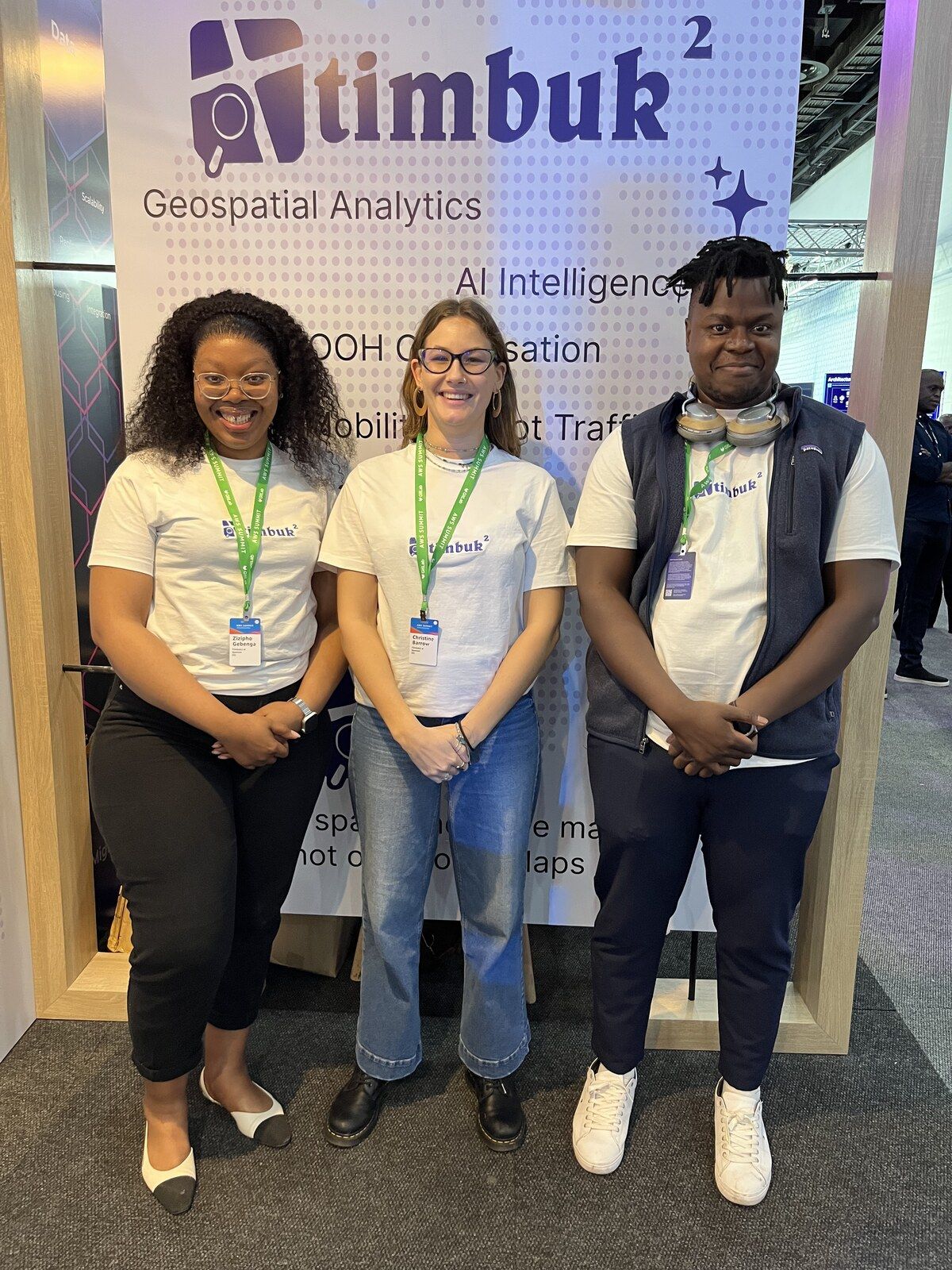
“An AI system can analyse a street photograph. Someone still has to go there and take it,” says Matimba Julian Nkuna, founder of Timbuk2.
The premise raises a question about what counts as expertise. Knowing which shop has moved, which route people use or when a trading area becomes busy is a form of intelligence built through everyday experience. Its value does not begin only when it enters a database.
As AI takes on more analytical work, the people supplying fresh observations still make a contribution that deserves recognition. The challenge is to build a model in which they can understand what is being asked, choose whether to take part and receive a worthwhile share of the value their work creates.
From fieldwork to a local-knowledge game
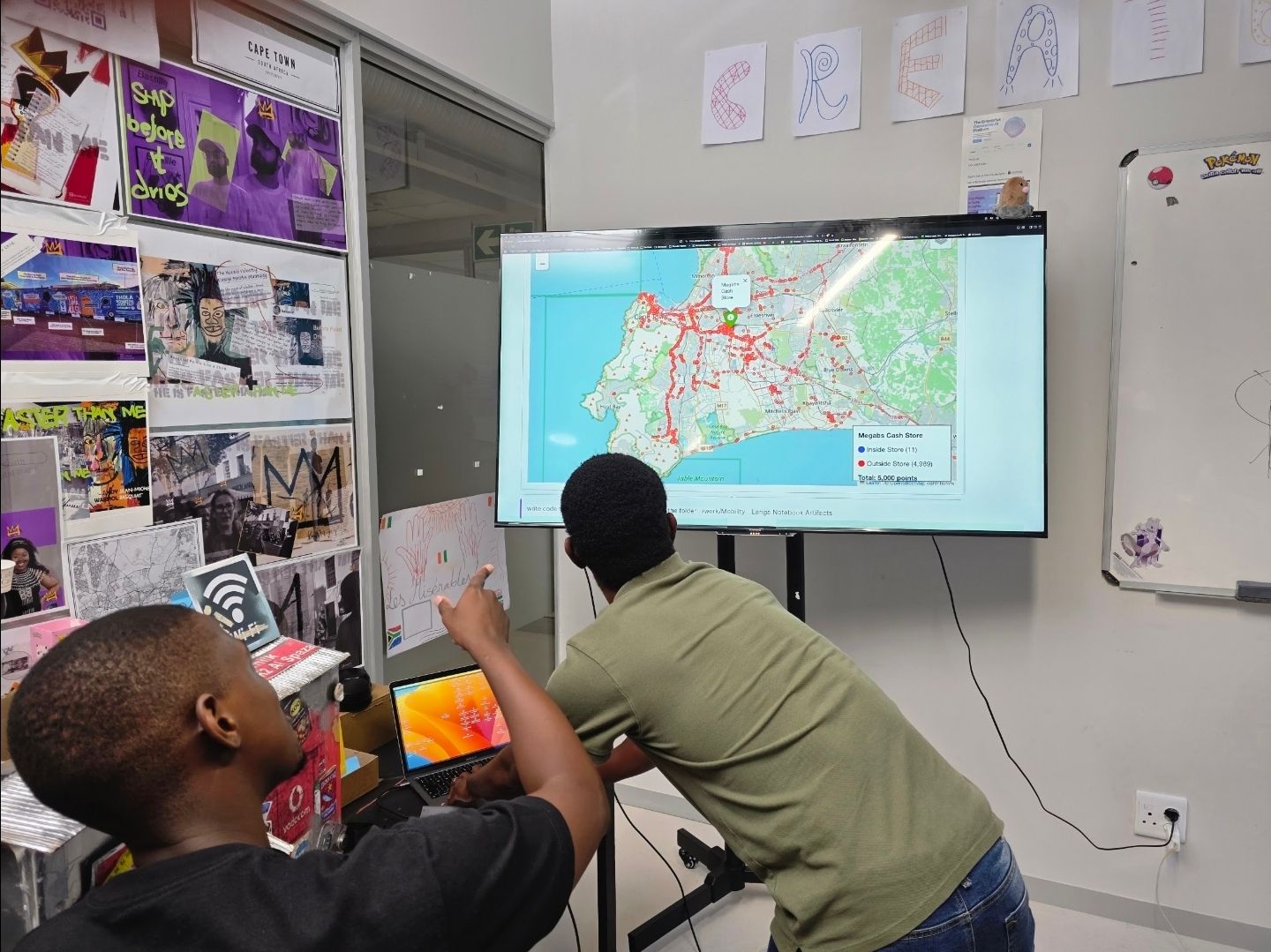
The idea has roots in FOONA, Timbuk2’s field-collection network. Before the newer 2Klip game, local contributors were paid to map shops, check billboards and carry out other field tasks, according to the company.
Timbuk2’s published field examples include paid billboard collection in Cape Town and a delivered sweep in Abidjan, Côte d’Ivoire. Its teams have also collected informal-outlet submissions and community reports on flood damage in Cape Town.
Those assignments address specific questions about what is happening in a place. Is an outlet there? Is an advert visible? Has a road been damaged? A photograph, location and capture time give the person using the information something to inspect.
2Klip introduces a different way for people to take part. In its Pin It game, players read a clue and place a pin on a map. The closer the guess, the better the score. Multiplayer games let friends compete over how well they know an area. Other games ask players about products they would choose.
The appeal begins with familiarity: a place someone walks past, a neighbourhood they grew up in, a shop they know by sight. Gamification gives people a reason to return and test that knowledge.
The game and the field network serve different purposes. A player’s answer can suggest something worth checking. A business that needs evidence can commission a defined field task through FOONA, with collection instructions and review rules. That extra step matters: a game response alone does not verify what is happening on the ground.
Where AI fits
Timbuk2 describes a process in which people collect observations, AI handles routine checks and human reviewers examine anything unclear. Buyers specify the places, the question and the conditions an answer must meet.
For a retailer, that could mean checking whether a product is on a shelf and what it costs. For an advertiser, it could mean confirming that a campaign appeared at the agreed site. The value lies in fresh, usable evidence about a particular place.
This gives the company’s AI proposition a practical focus. Better analysis still depends on having something current to analyse. A model working from an old image cannot establish what changed on that street this morning without a new observation.
Timbuk2’s commercial work has included billboard audience measurement, field evidence to guide where advisers are deployed, and sales-intelligence pilots, according to its published company record. The proposed next market is AI and data teams that need fresh observations from places their existing sources do not adequately cover.
Who shares in the value?
The jobs-of-the-future question is whether this demand can create useful, repeatable work for people contributing their knowledge of the places where they live and work.
The company’s earlier paid field campaigns provide a starting point. Its game audience creates a wider pool of potential participants. Turning that pool into sustained earning opportunities will depend on customers commissioning work, contributors completing it and the resulting information meeting the brief.
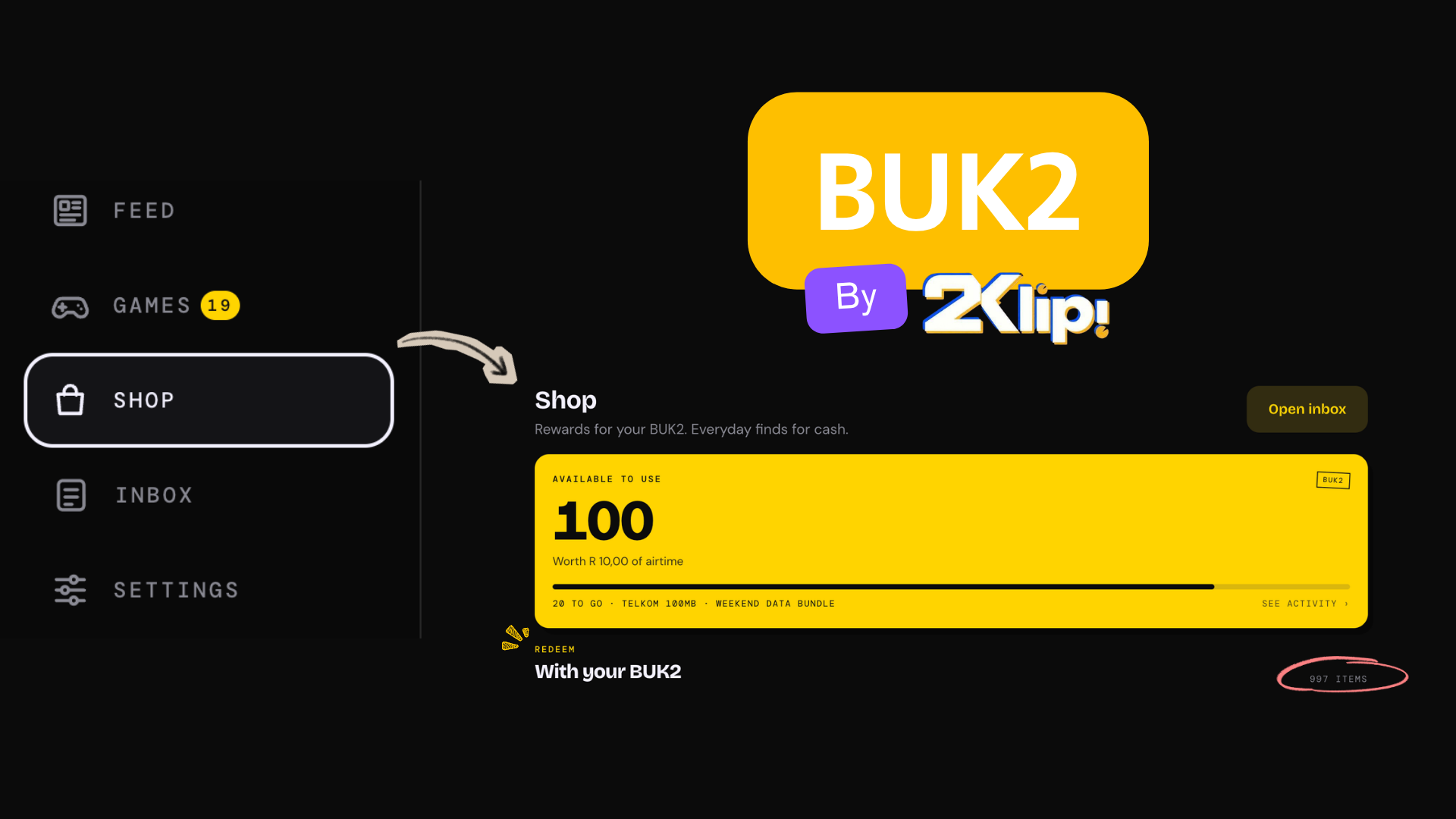
The distinctions matter. The company-reported sign-up total measures registrations, not jobs created or people paid. Within 2Klip, Pin It practice scores are separate from BUK2 reward points. BUK2 can be exchanged for listed rewards such as airtime and vouchers, but cannot be withdrawn as cash. Reward-game payouts are not guaranteed for every completed round.
For participants, worthwhile work also has to make sense after mobile-data costs, travel and time. A bigger dataset alone is a poor measure of inclusion. Clear task instructions, transparent rewards, safe collection and a fair review process are part of the value a network must offer the people who sustain it.
Timbuk2 says its field-data approach uses opt-in consent and that model-training rights must be agreed separately. That is an important condition when information collected for one purpose could be valuable for another.
Beyond Cape Town
2Klip’s geographic scope is already broader than its home city. What’s on in Cape Town has reported that players can search for game locations in countries including India, Botswana, Zimbabwe, Mexico and the United States.
India’s inclusion offers a way to explore the appeal of a South African-built game beyond its home market. The reach described so far is game geography. Extending the fieldwork model would also require local contributors, operating arrangements and paying customers.
Timbuk2 brings together two tangible starting points: experience of paid field collection and a newer game that has attracted tens of thousands of registrations.
The next test is whether businesses commission enough repeat work to sustain the network, and whether that work is worthwhile for contributors. The promise is an AI economy that recognises expertise on familiar streets as well as in laboratories. Turning that idea into lasting opportunity will take reliable evidence, willing buyers and fair terms for the people who go and look.